

Collecting credit cards merges the thrill of the hunt with the satisfaction of meticulously curating a piece of financial history. It’s a pursuit that offers you joy and a sense of achievement, as you sift through various types and eras of credit cards.
Unlike sports cards or collectible stamps, credit card collecting spotlights an unexpected and often overlooked artifact of our daily lives, providing a unique connection to the economic zeitgeist of the past and present.
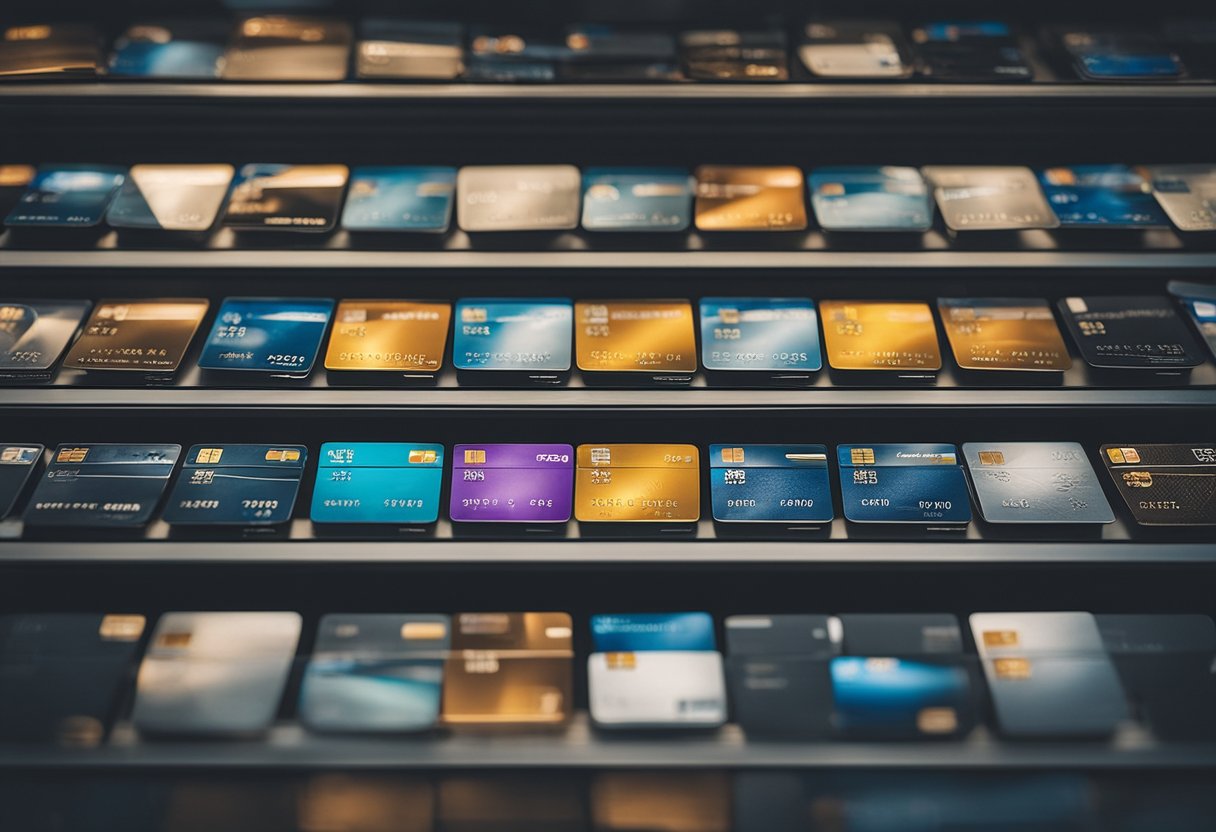
Understanding this niche hobby starts with grasping the essential terminology and appreciating the psychology behind collecting.
Joining a collector’s community can assist you in learning and share the excitement of finding elusive cards. Financial aspects come into play, considering the potential value of rare finds, but the true wealth lies in the pleasure you derive from building and organizing your collection.
Key Takeaways
- Credit card collecting is an engaging hobby with historical significance.
- Learning the lingo and psychology of collecting enhances enjoyment.
- Building a network with fellow collectors can offer support and resources.
See Also: Bucket List Of Hobbies From A – Z
The Basics of Credit Card Collecting
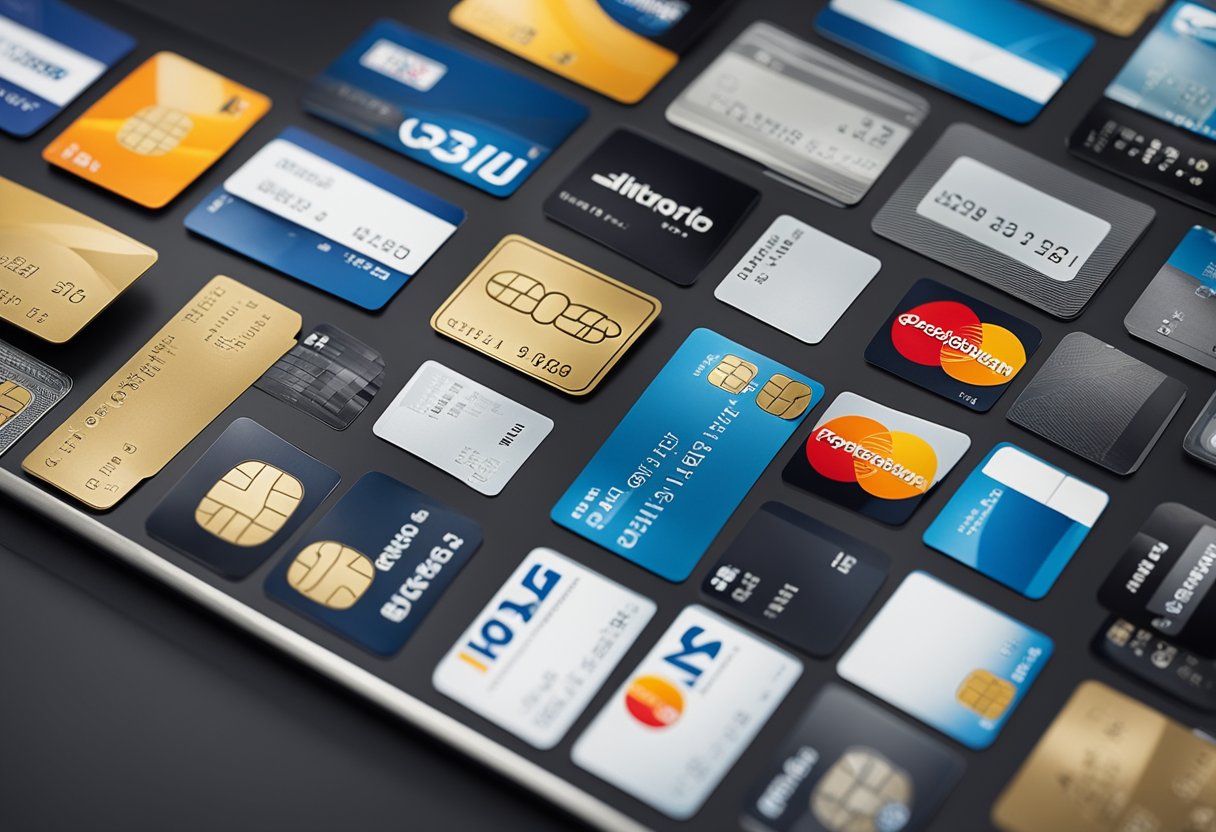
Venture into the world of credit card collecting to discover its rich past and varied forms. This practice is not just a niche hobby but a window into evolving payment methods and history.
What is Credit Card Collecting?
Credit card collecting involves acquiring and preserving cards from various issuers and periods. As a collector, you focus on gathering items such as bank cards, iconic travel and entertainment cards like the Diners Club, or even defunct but significant plastic.
Your goal may range from owning a piece of history to having a diverse collection that spans different eras and designs.
History of Credit Cards
The history of credit cards is expansive, dating back to the 1920s. The use of credit cards began as a way for customers to settle their accounts at establishments.
It wasn’t until later in the 20th century that major banks and travel companies expanded this concept.
The most notable milestone was in 1950 with the introduction of the Diners Club card, paving the way for the modern credit system.
Types of Collectible Cards
Credit card collecting can be divided into various categories. Here’s a brief overview:
- Bank Cards: Cards issued by banks such as Visa or MasterCard.
- Travel and Entertainment Cards: Cards like American Express or Diners Club.
- Affinity cards: Cards tied to organizations or causes.
- Reward cards: Offering points or cash back.
Collecting can often overlap with sports card collecting due to occasional cross-promotions or branded partnerships.
| Category | Description | Example |
|---|---|---|
| Bank Cards | Issued by financial institutions | Visa, MasterCard |
| Travel and Entertainment | Used for travel-related expenses | American Express, Diners Club |
| Affinity Cards | Branded with organizations or causes | Wildlife Fund, University alumni cards |
| Reward Cards | Offer points or cash back | Airline miles cards, cashback cards |
Getting Started with Credit Card Collecting
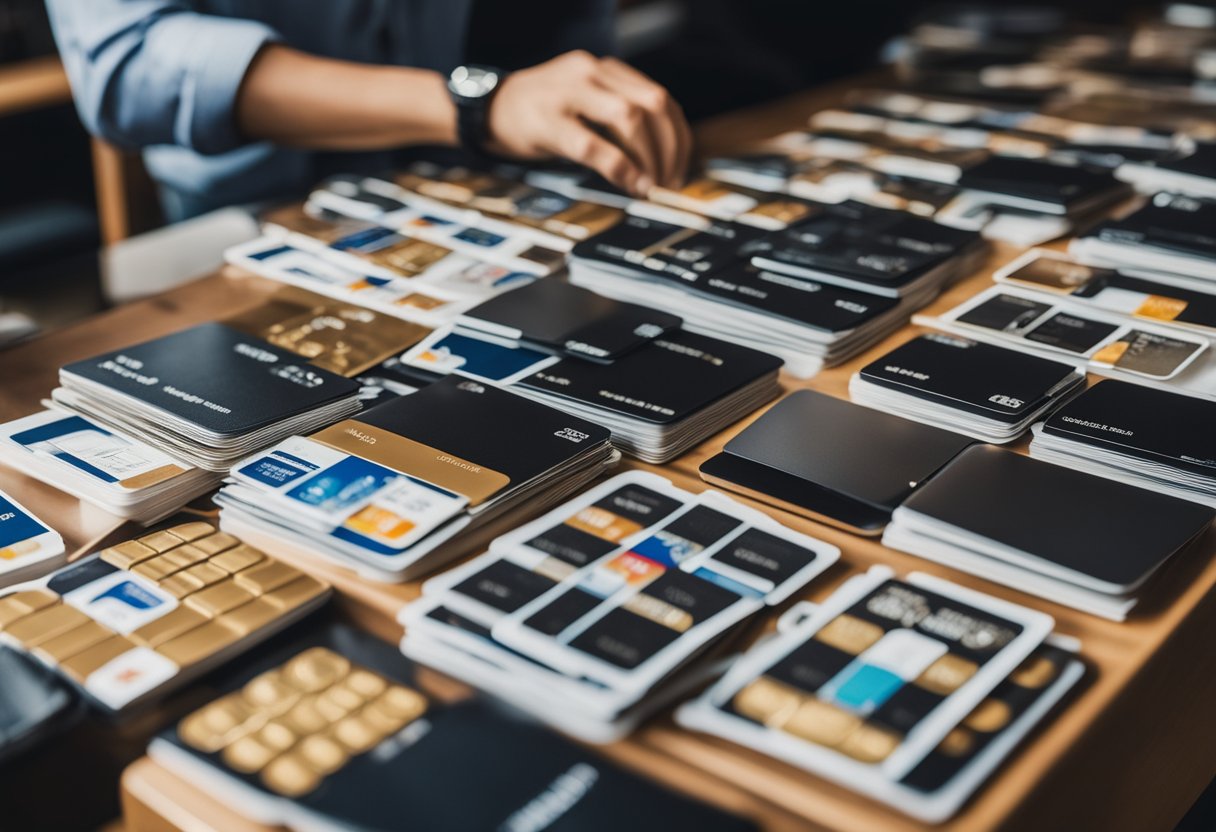
Embarking on a card collecting journey requires a well-thought-out plan, dedication to a chosen niche, and the right set of tools. Equip yourself with these essentials to navigate the hobby with confidence.
Building a Collecting Plan
Your plan is the backbone of your collecting endeavors. Start by setting achievable goals and budgeting.
Consider how much money and time you’re willing to invest. Create a timeline for your collecting milestones and stay disciplined to follow through.
Be sure to join collector communities on platforms like Discord or YouTube to stay informed and engaged.
- Financial Commitment: How much can you afford to spend?
- Time Investment: How much time can you dedicate?
Choosing a Focus for Your Collection
Selecting a focus is crucial to guide your efforts.
Whether it’s a passion for sports cards, vintage series, or exclusive sets, narrow down your collection to an area that excites you.
Concentrate on a specific type of card or a particular era that interests you. This will give your collection purpose and make it more rewarding.
- Sports: Do you prefer a specific sport, team, or player?
- Series/Sets: Are limited editions or complete sets your interest?
Essential Tools for Collectors
Gather the right tools to keep your collection in mint condition and well-organized.
- Storage: Protect your cards with sleeves, binders, or cases.
- Cataloguing: Maintain a detailed list or database of your collection.
- Networking: Use social channels to connect with other collectors.
| Tool | Function |
|---|---|
| Protective Sleeves | Safeguard cards from damage |
| Binders | Organize your collection for easy access and display |
| Database Software | Track your collection’s progress and manage your inventory |
Understanding Card Collecting Terminology
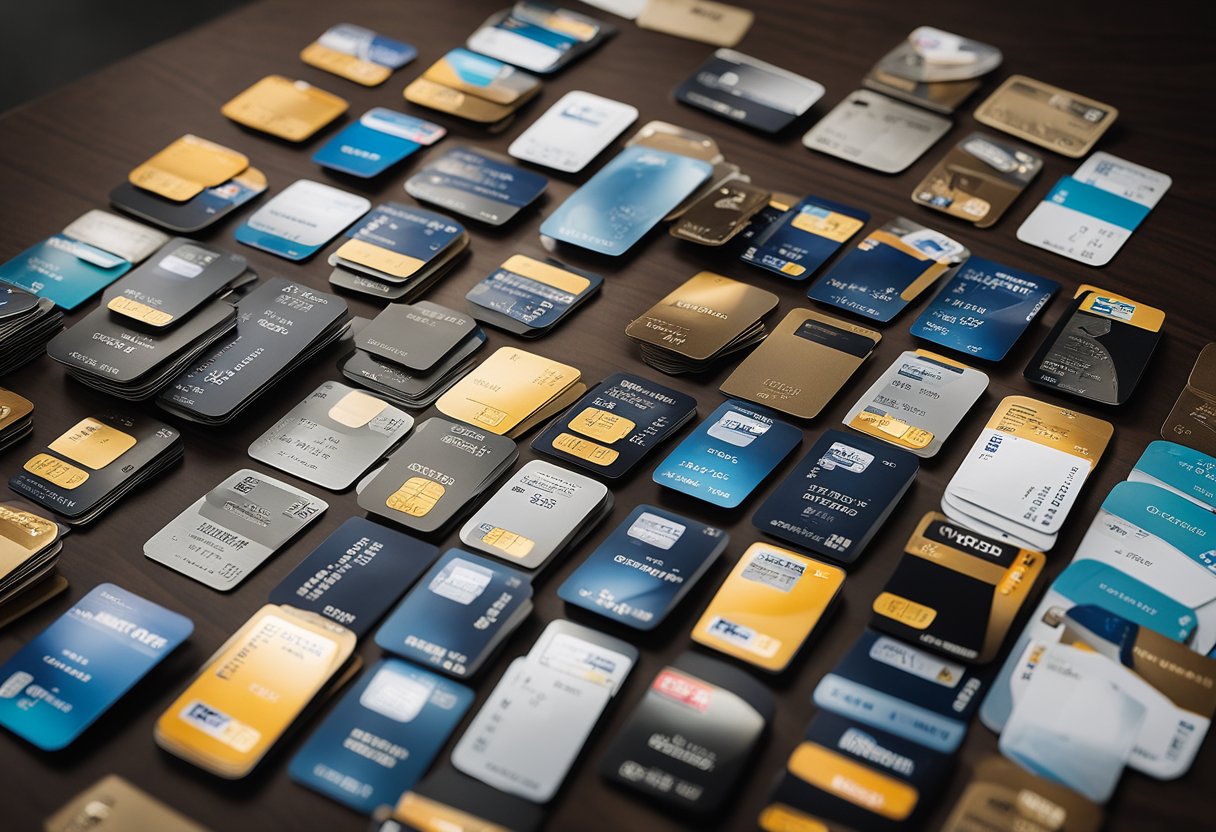
Before jumping into the world of card collecting, it’s essential you’re familiar with the terms used by collectors and industry experts. This will enable you to navigate the hobby with confidence and understand the nuances of trading, collecting, and evaluation.
Common Collector Terms
- Affinity Card: Often seen in the context of credit card collecting, an affinity card is linked with an organization, and a portion of the revenue is directed towards it.
- Rookie Card: A highly sought-after type of sports card that represents an athlete’s first appearance in a set.
Industry Speak
- Numismatic: While traditionally associated with coin collecting, in a broader sense, it can refer to the study and collecting of currency, including credit card collectibles.
- Prizm Technology: This is a term you might encounter within the card collecting industry, specifically when discussing trading cards with chrome/refractor technology patented by Panini.
Trading Cards Glossary
- Serial Numbered: Cards that are individually numbered, indicating limited production, such as 1/1 (one of one), 3/10 (three of ten), and so forth.
| Term | Description |
|---|---|
| Prizm | A trademarked technology indicating a chrome/refractor style used on trading cards. |
| Serial Numbered | Refers to cards that are numbered to indicate rarity. Examples include 21/100 or 1/1. |
The Psychology of Collecting
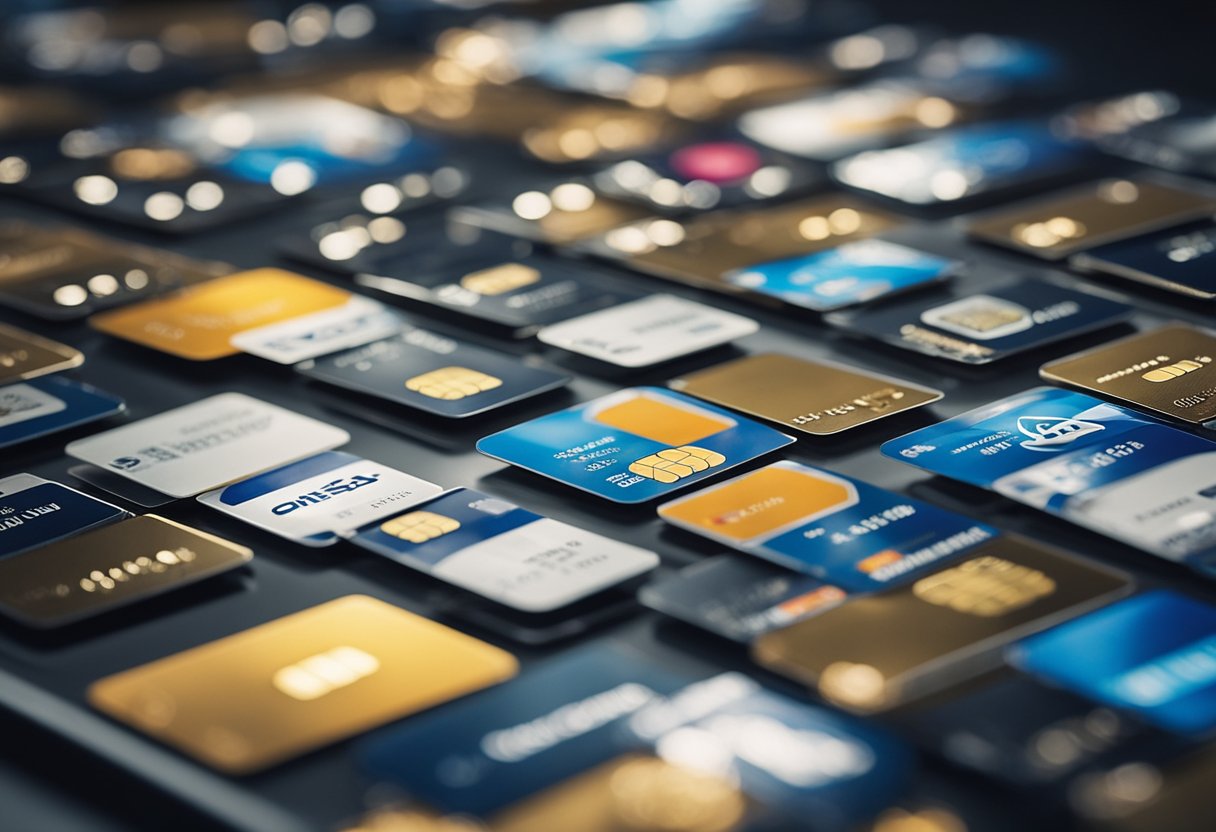
Collecting credit cards taps into powerful psychological factors such as nostalgia, the excitement of the search, and the satisfaction of achieving a complete set. Each collector’s journey is fueled by their personal experiences and emotional connections.
Nostalgia and Connection
You may find that collecting credit cards rekindles fond memories from different seasons of your life.
It’s a way to revisit and strengthen connections to your past, whether that’s recalling the first credit card you ever received or the types of cards you marveled at as a child.
For some, each card symbolizes a chapter in their personal history, making the hobby an emotional archive of one’s journey.
Thrill of the Hunt
The pursuit of rare or elusive credit cards offers a rush unlike any other.
It’s the anticipation and the rush that leading to a successful find that powers your drive.
Collectors often recount the stories of their searches, detailing the lengths they’ve gone to in order to track down a coveted item. This pursuit injects a sense of adventure into the pastime.
The Joy of Completing a Set
One of the most satisfying achievements as a collector is the moment you complete a set.
The joy of completing a collection is a powerful motivator; it’s a testament to your dedication and commitment.
Here’s what completing a set might involve:
- Research: Understanding which items are part of the set.
- Networking: Connecting with other collectors to find leads.
- Acquisition: The act of finding and securing the cards for your collection.
Financial Aspects of Credit Card Collecting
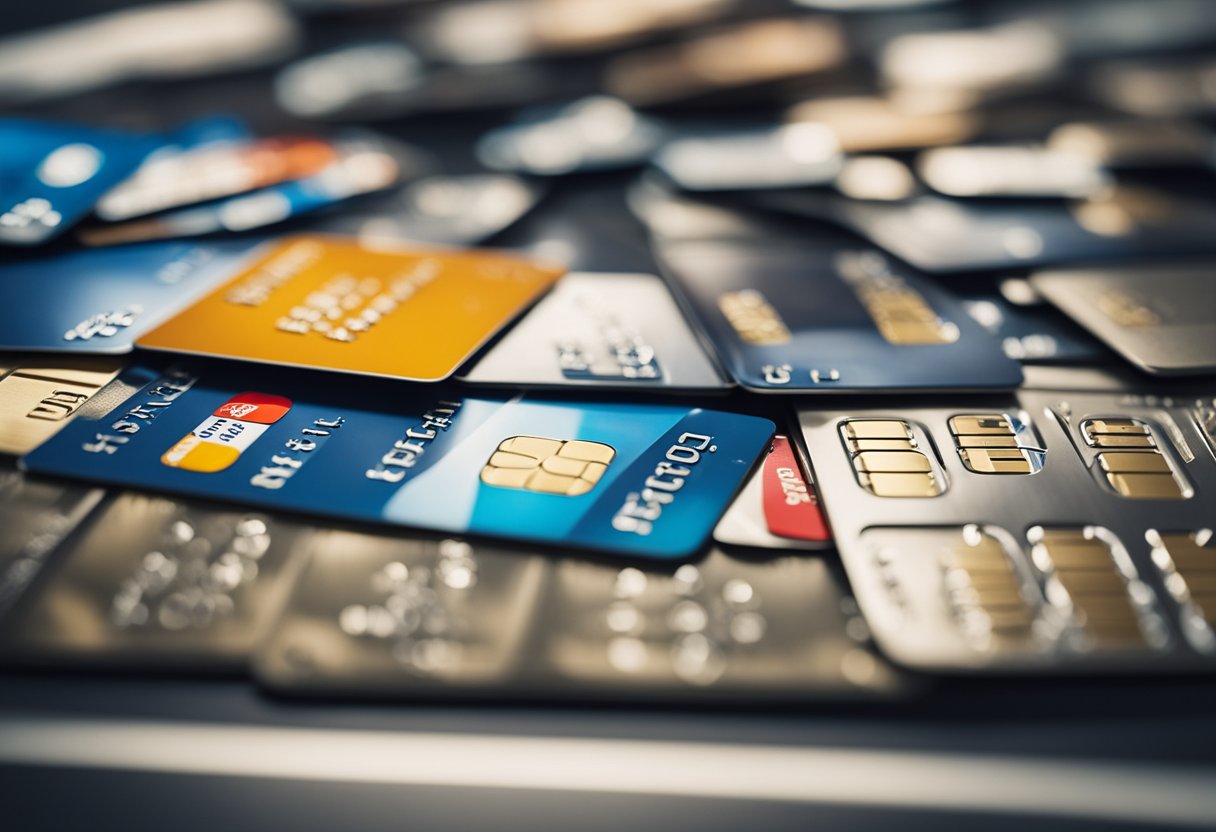
When exploring credit card collecting, understanding the financial implications is as crucial as appreciating the history and design of the cards.
Here’s what you need to know about the value, trading practices, and investment potential in this niche market.
Understanding the Value of Cards
The value of collectible credit cards often depends on their rarity and condition.
Rare cards, especially those with limited production runs or from defunct financial institutions, can fetch higher prices. Factors such as issuer, design uniqueness, and historic significance also play roles in determining a card’s worth.
- Rarity: Limited edition and older cards tend to be more valuable.
- Condition: Cards in mint condition, without scratches or blemishes, can be more sought-after.
Trading, Buying, and Selling
Actively participating in marketplaces allows you to buy and sell cards.
When selling, knowing the market and setting fair prices are key to attracting buyers. For buying, researching current listings can help gauge the going rates for the cards you’re interested in.
- Marketplaces to consider: eBay, hobby forums, and collector groups.
- Trading: Exchanging cards with peers can be another way to enhance your collection.
Investing in Collectible Cards
If you’re looking to invest, understand that profits are never guaranteed.
However, savvy card investors consider trends and market demand. They often target cards that have the potential to increase in value over time, and they stay informed about the market dynamics.
- Research the market thoroughly before investing.
- Diversify your investments across different types of cards to mitigate risks.
The Credit Card Collector’s Community
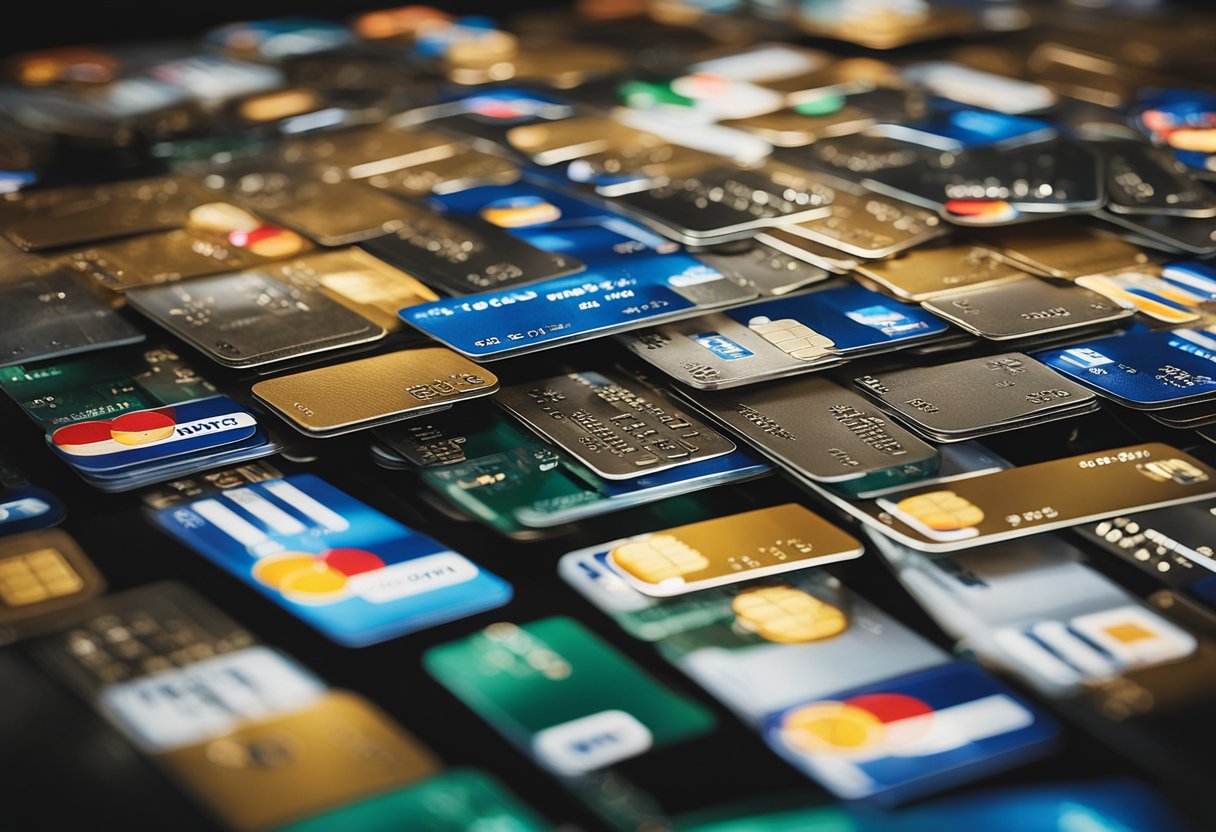
Dive into the dynamic world of credit card collectors where you can share experiences, learn, and connect with others who share your passion for this unique hobby.
Connect with Other Collectors
Build relationships within the American Credit Card Collectors Society, a hub for enthusiasts where you can exchange knowledge and discover rare credit card finds.
By engaging in this community, you gain access to a wealth of collective insights and the opportunity to enhance your collection.
Events and Conventions
Attend specialized events and conventions to meet fellow collectors in person.
These gatherings provide a platform for sharing, trading, and even purchasing new additions for your collection. Keep an eye on event pages for the next big gathering near you.
Using Social Media
Leverage Facebook, Twitter, and Instagram to join online communities and connect with a wider audience.
Follow these steps to integrate social media into your hobby:
- Search for card collectors groups and pages.
- Follow accounts related to credit card collecting.
- Use hashtags to find new posts and collections.
Preserving and Organizing Your Credit Card Collection

Maintaining the condition and organization of your credit card collection is pivotal to its lasting value and your personal enjoyment.
Establishing a system for cataloging, properly storing, and ensuring the quality of your cards will protect your investment and allow you to showcase your collection with pride.
Cataloging Your Cards
- Create a Digital Catalogue: Begin with a spreadsheet software to catalog your cards. Record details like issuer, card type, date of issue, and any unique identifiers. This is essential for managing your collection efficiently, especially as it grows.
- Catalog by Category: Consider organizing your collection into categories such as:
- Single-purpose cards
- Travel & Entertainment cards (T&E)
- Bank cards
Each category may be further subdivided by issuer or era.
Storage and Display
- Choose appropriate containers: Safe storage is non-negotiable for preserving your collection. Use acid-free sleeves, rigid holders, or albums specifically designed for credit cards. A dedicated collectible storage provider can offer suitable products.
- Display with care: If displaying your cards, ensure they are protected from direct sunlight and sources of heat which can degrade the materials and inks.
Ensuring Card Quality
- Regular Inspections: Regularly inspect your cards for signs of wear or damage. Handle them with clean hands or cotton gloves and ensure they remain in a stable, climate-controlled environment.
- Acquire Quality Cards: Strive to add cards to your collection that are in mint condition, especially when dealing with items issued before 1980, as suggested by experts at ACCCS.
- Avoid Over-Handling: Minimize handling to preserve the integrity of the cards. If you must handle the cards, do so deftly and securely.
Identifying and Collecting Rare Cards
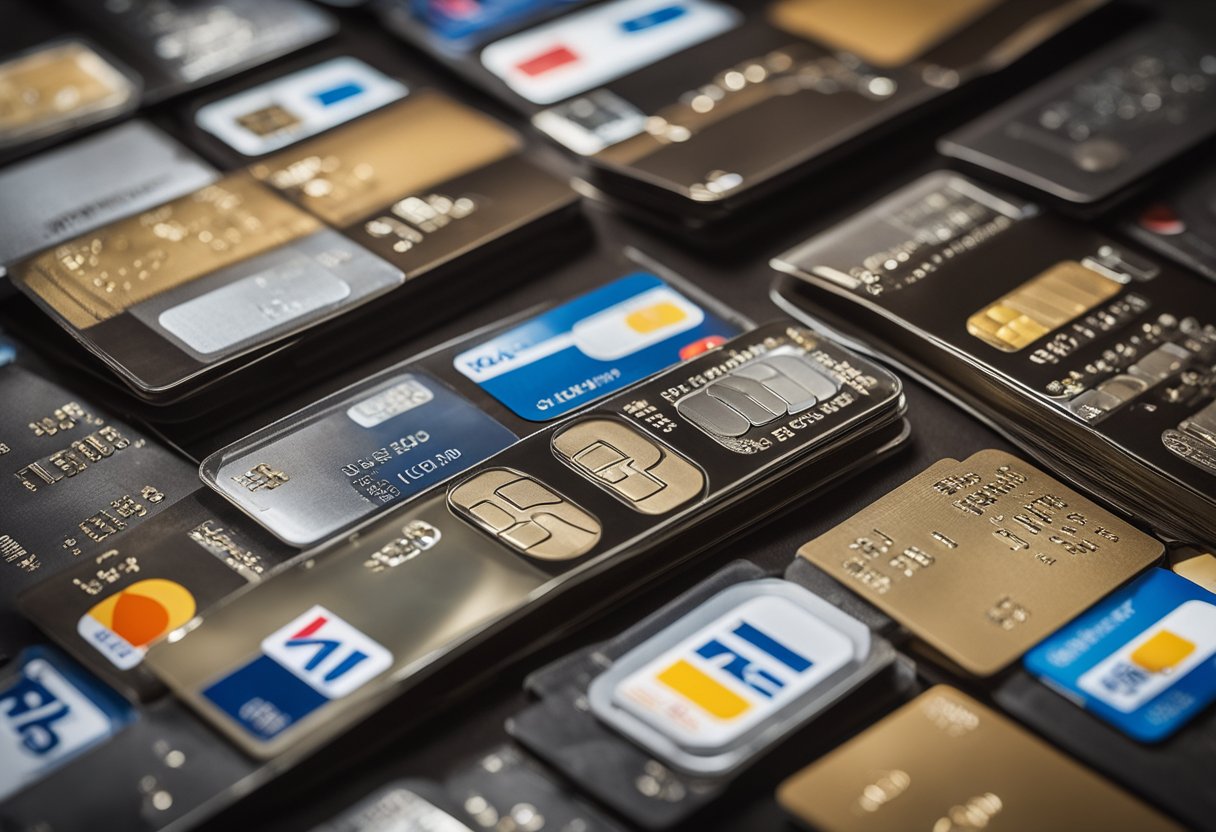
When venturing into the hobby of collecting credit cards, focusing on rarity and historical significance can turn an ordinary collection into a treasure trove.
Vintage and Historical Cards
Vintage and historical credit cards often carry significant value due to their scarcity and the stories they tell.
As a collector, you should be on the lookout for cards issued during the early days of credit, particularly those from defunct banks or companies.
For instance, a credit card from the now-obsolete BankAmericard program could be a gem in your collection.
- Historical value: Cards linked to pivotal moments in financial history or that reflect societal shifts can be particularly worthwhile.
- Notable issuers: Search for cards from renowned issuers like Diners Club or American Express that date back to their inception years.
Searching for Rare Finds
The thrill of discovery is a large part of the appeal of card collecting. To find rare cards, frequent online auctions and forums dedicated to card collecting are beneficial.
- Explore online markets: Websites that specialize in collectibles can offer a variety of rare cards.
- Attend trade shows: Networking can uncover leads to rare finds.
The Market for Unique Cards
The market for unique and rare credit cards is diverse and can fluctuate.
Factors affecting a card’s market value include its condition, rarity, and the demand among collectors. An unblemished, unique card from a historic event, such as the launch of a revolutionary credit system, will likely be a prized item.
| Card Type | Attributes That Increase Value |
|---|---|
| Vintage credit cards | Age, Mint condition, Historical issuer |
| Rare cards | Limited issuance, Unique designs |
- Assessing condition: Collect cards in the best possible condition to preserve their value; mint is preferred for post-1980 issues.
- Diverse portfolio: As you broaden your collection, include a range of cards to create a robust portfolio of interesting, unique finds.
Navigating Legal and Ethical Considerations of Credit Card Collecting

Collecting credit cards as a hobby can be intriguing, but it’s crucial to stay on the right side of legal and ethical boundaries. Fraud prevention and adherence to trading norms are significant, as well as understanding the regulatory landscape related to credit cards and collections.
Avoiding Fraud and Counterfeits
To ensure the integrity of your collection, always verify the authenticity of collectible cards.
Here are some steps you can take:
- Research: Learn the signs of genuine and fake cards.
- Verification: Consult experts or use authentication services.
Beware of fraudulent activities such as the reproduction of expired credit cards or attempts to use such cards in transactions.
This is illegal, and participating in such actions can expose you to serious legal consequences.
Ethical Trading Practices
When trading or selling, adopt fair and honest practices:
- Full Disclosure: Be transparent about the condition and history.
- Fair Pricing: Set prices based on market value and demand.
Trading should be a transparent process, where both parties have accurate information about the item’s value and origin.
Respect privacy and avoid disclosing sensitive information related to the original cardholder’s debt or personal details.
Credit Card Laws and Regulations
You must be aware of the legalities concerning the collection and sale of credit cards:
- Ownership: Only collect cards that you legally own or have permission to possess.
- Legislation: Be familiar with the State Bar of California’s Opinion on ethics related to credit cards.
| Regulation | Description |
|---|---|
| Credit CARD Act | Sets out rules for credit card companies and protects consumers. |
| State Laws | Vary by location; some restrict purchasing, selling, or possessing certain types of cards. |
Following these regulations ensures that your hobby doesn’t inadvertently lead to legal issues.
Remember, possessing expired or debt-linked cards without authorization may constitute a violation of privacy or property laws.
Futuristic Trends in Card Collecting
In the realm of card collecting, futuristic trends are shaping the way you engage with this hobby.
Digital platforms and advanced technology are creating new frontiers for collectors.

Digital Collecting
Digital collecting represents a seismic shift in how you experience card collecting.
You’re no longer confined to physical cards; instead, you can amass virtual cards with the click of a button.
These digital cards can offer exclusive content and enhance interactivity.
For instance, you might find yourself drawn to Non-Fungible Tokens (NFTs) where digital sports cards are unique and ownership is verified via blockchain technology.
This aspect is turning sports card collecting into something beyond the tangible, which is highlighted in discussions about the collecting boom and its adaptation to the digital age.
- Unique ownership verification through blockchain
- Ease of access and trade
- Exclusive digital content increasing value
Impact of Technology on Collecting
The impact of technology on collecting is multifold.
First, the ease of authenticating and grading cards has improved with sophisticated software, which means you can trust the value of your cards more readily.
Second, the tools you use to track the value of your collectibles are more advanced.
Applications such as Card Ladder help you follow market trends and manage your collection efficiently.
- Authentication: Enhanced through tech like AI and machine learning.
- Valuation Tools: Track values and trends effortlessly.
- Marketplaces: Buy and sell anywhere, anytime.
Conclusion
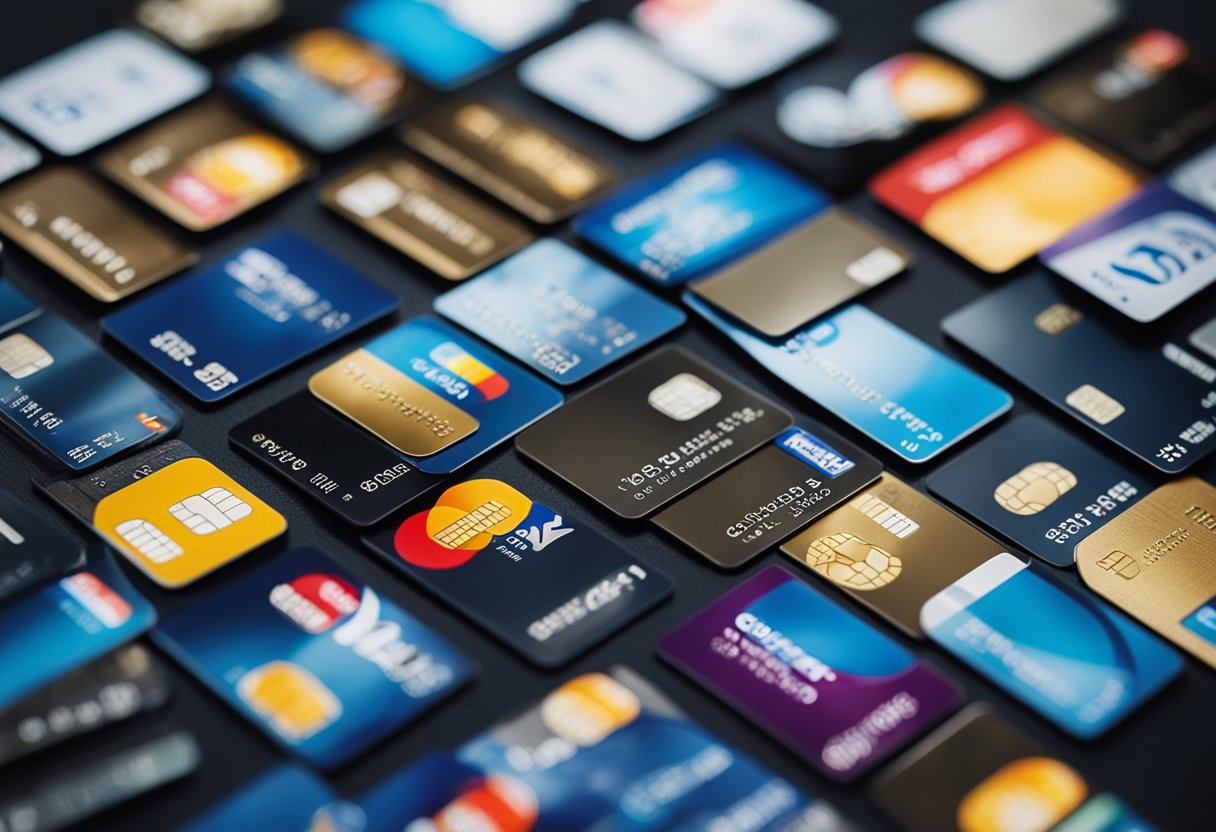
Collecting credit cards has evolved into a distinct and noteworthy hobby.
Your involvement offers a glimpse into the history of finance and design trends, creating an archive of an ever-changing industry.
Key Benefits:
- Historical Insight: Chronicles the evolution of credit cards.
- Design Appreciation: Showcases various card designs over time.
Steps to Enhance Your Collection:
- Focus on a specific type or group of credit cards.
- Seek out rare and unique cards that add diversity and value.
Remember, the worth of a complete collection often surpasses the sum of its parts.
Consider your hobby an investment in cultural heritage and a fulfilling pursuit that connects you to a community of like-minded individuals.
Card Collecting Hobbies | ||
|---|---|---|
| Art Card Collecting | Auto Card Collecting | Baseball Card Collecting |
| Basketball Card Collecting | Birthday Card Collecting | Business Card Collecting |
| Cat Card Collecting | Cigarette Card Collecting | Credit Card Collecting |
| Digital Card Collecting | Disney Card Collecting | Drake Card Collecting |
| eBay Card Collecting | Football Card Collecting | Gift Card Collecting |
| Graphics Card Collecting | Greeting Card Collecting | High End Card Collecting |
| Hockey Card Collecting | Insert Card Collecting | Lobby Card Collecting |
| Magic the Gathering Card Collecting | Magnetic Card Collecting | Marvel Card Collecting |
| Memorabilia Card Collecting | Modern Card Collecting | New Card Collecting |
| Phone Card Collecting | Playing Card Collecting | Pokemon Card Collecting |
| Safdie Brothers Card Collecting | Slabs Card Collecting | Soccer Card Collecting |
| SSP in Card Collecting | Star Wars Card Collecting | Tarot Card Collecting |
| Trading Card Collecting | TTM Card Collecting | UFC Card Collecting |
| Vintage Baseball Card Collecting | Vintage Card Collecting | Wrestling Card Collecting |
| Yu Gi Oh Card Collecting |