
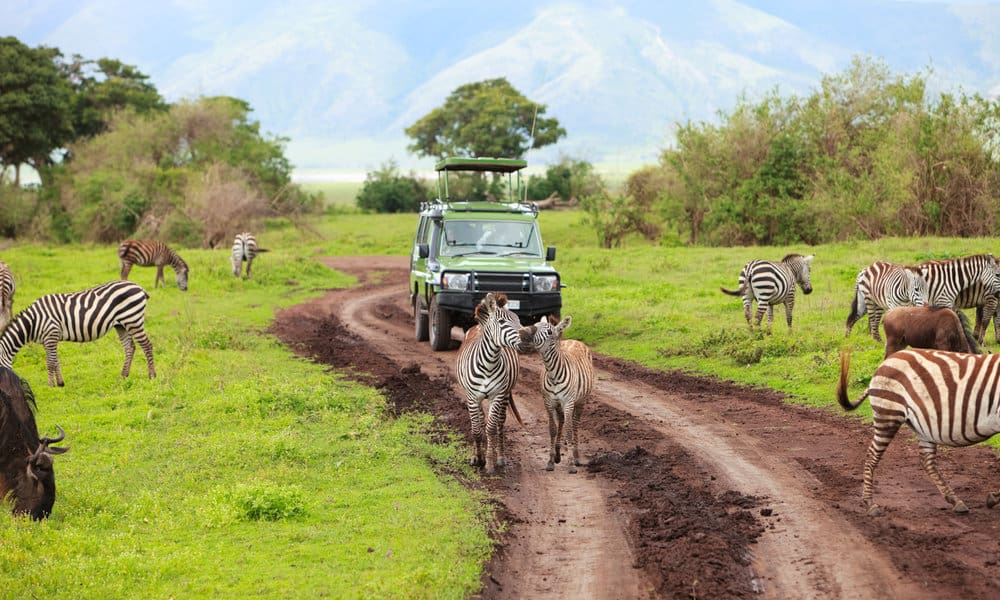
Safari as a hobby has become increasingly popular in recent years, with more and more people seeking adventure and a connection with nature.
Whether it’s observing wildlife in their natural habitat or capturing the perfect shot, safari enthusiasts are drawn to the thrill of the hunt.
However, it’s important to remember the importance of responsible tourism and conservation efforts to ensure that these experiences are available for generations to come.
Why Safari is a Great Hobby
If you’re looking for a new hobby that combines adventure, nature, and wildlife, then safari might just be the perfect choice for you. Here are a few reasons why:
1. It’s A Unique Experience
Going on a safari is not something that everyone gets to do in their lifetime. It’s a unique experience that allows you to witness animals in their natural habitats, learn about different cultures, and explore new places. It’s a great way to step out of your comfort zone and try something new.
2. It’s Educational
Safaris are not just about seeing animals. They’re also about learning about their behavior, habitat, and conservation efforts. Many safari guides are knowledgeable and passionate about wildlife, and they can provide you with a wealth of information about the animals you encounter.
3. It’s A Great Way To Disconnect
In today’s world, it’s easy to get caught up in technology and the stresses of everyday life. Going on a safari allows you to disconnect from all of that and immerse yourself in nature. It’s a great way to recharge your batteries and get some much-needed rest and relaxation.
4. It’s A Social Activity
Safaris are often done in groups, which means you get to meet new people who share your interests. It’s a great way to make new friends and bond over a shared experience. Plus, it’s always more fun to share your excitement and amazement with others.
5. It’s A Good Workout
Going on a safari involves a lot of walking, hiking, and sometimes even climbing. It’s a great way to get some exercise and fresh air while enjoying the scenery and wildlife. Just make sure to bring comfortable shoes and clothes.
6. It Supports Conservation Efforts
Many safari companies and lodges are committed to conservation efforts and responsible tourism. By going on a safari, you’re supporting these efforts and helping to preserve wildlife and their habitats for future generations.
Overall, going on a safari can be a rewarding and enriching hobby that allows you to connect with nature, learn new things, and make lasting memories. So why not give it a try?
| Pros | Cons |
|---|---|
| Opportunity to see wildlife in their natural habitat | Expensive |
| Chance to connect with nature | Requires travel to remote locations |
| Unique cultural experiences | Requires physical fitness and endurance |
| Potential for personal growth and self-discovery | Can be unpredictable and require flexibility |
| Opportunity for adventure and excitement | Environmental impact and responsibility |
The Big Five and Other Animals You Can See on Safari
When planning a safari, one of the most exciting things to look forward to is the chance to see the Big Five.
These animals, consisting of lions, rhinos, leopards, elephants, and Cape buffalos, are so named because they were once considered the five most challenging animals to hunt on foot.
Today, they remain some of the most iconic and sought-after animals to see on safari.
The Big Five
1. Lions
Lions are the only social cats and are known as the king of the jungle.
They are the most sought-after animals on safari, and you have a good chance of seeing them in many of the popular safari destinations.
You can spot lions lounging in the sun or on the prowl in the early morning or late afternoon.
2. Rhinos
Rhinos are one of the most endangered animals in the world, and seeing them on safari is a once-in-a-lifetime experience.
There are two species of rhinos, the black and white rhinos, and both are threatened by poaching. You can find them in protected areas, and your guide will help you spot them.
3. Leopards
Leopards are the most elusive of the Big Five and are known for their stealth and agility. They are solitary animals and are most active at night, making them harder to spot.
However, if you are lucky, you may see one lounging in a tree or stalking prey.
4. Elephants
Elephants are the largest land animals, and seeing them up close is awe-inspiring. They are intelligent and social animals and can be found in large herds.
You can spot them in many of the popular safari destinations, and watching them interact with each other is a truly unforgettable experience.
5. Cape Buffalos
Cape buffalos are known for their massive horns and are one of the most dangerous animals in Africa. They are often found in large herds and are known for their aggressive behavior.
You can spot them in many of the popular safari destinations, and watching them interact with each other is a truly unforgettable experience.
Other Animals
In addition to the Big Five, there are many other animals you can see on safari. Some of the most popular include:
- Zebras: These striped animals are often found grazing on open savannahs, and their unique patterns make them a favorite among photographers.
- Wildebeest: These large antelopes are known for their annual migration across the Serengeti, and witnessing this natural phenomenon is a once-in-a-lifetime experience.
- Birds: There are over 1,000 species of birds in Africa, and many of them are brightly colored and easy to spot on safari.
- Elephants: In addition to the Big Five, elephants are one of the most iconic animals in Africa, and seeing them up close is a truly unforgettable experience.
Overall, a safari is an incredible opportunity to see some of the most stunning animals in the world. Whether you are hoping to spot the Big Five or simply enjoy the natural beauty of Africa, a safari is an experience you will never forget.
The Best Places to Go on Safari
If you’re planning a safari trip, you’re in for a treat! Africa offers some of the most breathtaking wildlife experiences in the world. Here are some of the best places to go on safari.
South Africa
South Africa is a popular destination for safaris. It has a wide range of national parks and private game reserves to choose from.
Some of the most popular ones include Kruger National Park, Sabi Sands Game Reserve, and Timbavati Game Reserve. Kruger National Park is one of the largest game reserves in Africa and is home to the Big Five (lion, leopard, elephant, rhino, and buffalo).
Sabi Sands Game Reserve is known for its luxury lodges and high chances of spotting leopards. Timbavati Game Reserve is a great place to spot white lions.
Masai Mara
The Masai Mara is a wildlife reserve in Kenya and is one of the most famous safari destinations in Africa.
It is home to the Great Migration, where millions of wildebeest and zebras migrate from the Serengeti in Tanzania to the Masai Mara in search of greener pastures. The Masai Mara is also known for its big cats, including lions, leopards, and cheetahs.
Botswana
Botswana is a landlocked country in Southern Africa and is known for its vast wilderness areas. The Okavango Delta is one of the most popular safari destinations in Botswana.
It is a unique ecosystem that is home to a wide variety of wildlife, including elephants, lions, hippos, and crocodiles. The Chobe National Park is another popular destination in Botswana, known for its large herds of elephants.
Serengeti
The Serengeti is a vast ecosystem that spans across Tanzania and Kenya. It is home to the Great Migration and is one of the best places to see wildlife in Africa.
The Serengeti is also known for its big cats, including lions, leopards, and cheetahs. Some of the best places to stay in the Serengeti include the Serengeti Serena Safari Lodge and the Four Seasons Safari Lodge Serengeti.
Zambia
Zambia is a landlocked country in Southern Africa and is known for its national parks and game reserves. The South Luangwa National Park is one of the best places to go on safari in Zambia.
It is home to a wide variety of wildlife, including leopards, lions, elephants, and hippos. The Lower Zambezi National Park is another popular destination in Zambia, known for its canoe safaris and fishing trips.
| Destination | Best Time to Visit | Wildlife to See |
|---|---|---|
| South Africa | May to September | Big Five |
| Masai Mara | July to October | Great Migration |
| Botswana | June to August | Elephants |
| Serengeti | January to March | Big Cats |
| Zambia | June to October | Leopards |
Whether you’re a seasoned safari-goer or a first-time visitor, these destinations are sure to leave you in awe of Africa’s incredible wildlife.
Different Types of Safaris
If you’re planning a safari, you’ll quickly discover that there are many different types of safaris to choose from. Each type of safari offers a unique experience, so it’s important to choose the one that best suits your interests and preferences. Here are some of the most popular types of safaris:
Game Drives
Game drives are the most common type of safari experience. They involve driving through a national park or game reserve in a specially designed vehicle, usually an open 4×4, with a trained guide.
Game drives are the perfect way to see a wide variety of wildlife, including the Big Five (lion, leopard, elephant, buffalo, and rhino), as well as other animals like giraffes, zebras, and antelopes.
Walking Safaris
Walking safaris are a more intimate way to experience the African wilderness. They involve walking through the bush with a trained guide, usually armed, who will point out interesting sights and sounds along the way.
Walking safaris are a great way to get up close and personal with wildlife, as well as to learn about the flora and fauna of the region.
Canoeing and Kayaking
Canoeing and kayaking safaris are a unique way to explore the waterways of Africa. They involve paddling through rivers and lakes, usually in a small group with a trained guide.
Canoeing and kayaking safaris offer a different perspective on the African wilderness, as well as the opportunity to see animals that are not usually visible from a vehicle.
Hiking
Hiking safaris are a great way to explore the more remote areas of Africa. They involve trekking through the bush, usually with a small group and a trained guide. Hiking safaris offer a chance to see wildlife in a more natural setting, as well as to experience the beauty of the African landscape.
| Type of Safari | Description |
|---|---|
| Game Drives | Driving through a national park or game reserve in a specially designed vehicle with a trained guide. |
| Walking Safaris | Walking through the bush with a trained guide, usually armed. |
| Canoeing and Kayaking | Paddling through rivers and lakes in a small group with a trained guide. |
| Hiking | Trekking through the bush with a small group and a trained guide. |
No matter what type of safari you choose, it’s important to remember that you are a guest in the animals’ home.
Respect their space and their behavior, and always follow the guidelines of your guide. With a little bit of preparation and a lot of respect, you’re sure to have an unforgettable safari experience.
Accommodations and Lodging
When planning a safari trip, one of the most important things to consider is where you will be staying.
There are various types of accommodations available, ranging from luxurious safari lodges to budget-friendly options.
In this section, we will discuss the three most popular types of safari accommodations: Safari Lodges, Canvas Tents, and Budget Options.
Safari Lodges
Safari lodges are the most popular option for safari accommodations. They offer comfortable and luxurious lodgings with all the amenities you need.
These lodges are usually located within or near game reserves and national parks, making it easy for you to explore the wildlife.
Some of the best safari lodges in Africa include Singita Sabi Sand, Londolozi Private Game Reserve, and Royal Malewane. These lodges offer luxurious amenities such as private plunge pools, spa treatments, and gourmet dining experiences.
Canvas Tents
If you’re looking for a more authentic safari experience, canvas tents are a great option. These tents are usually located in remote areas, allowing you to immerse yourself in the wilderness. They provide a unique and adventurous experience while still offering the comforts of a hotel.
Canvas tents come in various sizes and styles, ranging from basic to luxurious. Some of the best canvas tent accommodations include the Serengeti Migration Camp, Mara Plains Camp, and the Sand Rivers Selous.
Budget Options
If you’re on a tight budget, there are still plenty of options available for you. Many lodges and campsites offer budget-friendly accommodations that still provide a comfortable and enjoyable experience.
These options are perfect for travelers who want to experience a safari without breaking the bank.
Some of the best budget options include the Maramboi Tented Camp, Lake Burunge Tented Camp, and the Tarangire Sopa Lodge. These lodges offer comfortable accommodations and amenities such as swimming pools, restaurants, and game drives.
| Accommodation Type | Pros | Cons |
|---|---|---|
| Safari Lodges | Luxurious amenities, prime location | Expensive |
| Canvas Tents | Authentic safari experience, remote location | Basic amenities |
| Budget Options | Affordable, comfortable accommodations | Limited amenities |
In conclusion, choosing the right accommodation is crucial for a memorable safari experience. Whether you opt for a luxurious safari lodge, a canvas tent, or a budget-friendly option, there is an accommodation option that will suit your needs and preferences.
Food and Cooking on Safari
When it comes to food and cooking on safari, there are a few different options available to you. Whether you prefer catered meals, foraging for your own food, or cooking your own meals, there are plenty of ways to enjoy delicious and satisfying food while on safari.
Catered Meals
Many safari lodges and camps offer catered meals as part of their package. These meals are typically prepared by experienced chefs and offer a wide range of options to suit different tastes and dietary requirements. From traditional African dishes to international cuisine, you can expect to enjoy a variety of delicious meals during your safari.
Some lodges and camps even offer special dining experiences, such as bush dinners under the stars or breakfasts in the middle of the wilderness. These experiences add an extra level of excitement and adventure to your safari, and are definitely worth trying if you have the opportunity.
Foraging
Foraging for food is a great way to connect with nature and experience the thrill of finding your own food. While it’s not always possible to forage for your entire meal, there are often opportunities to gather fruits, nuts, and other edible plants during your safari.
It’s important to note, however, that foraging should only be done with the guidance of an experienced guide or ranger. They can help you identify which plants are safe to eat and which should be avoided.
General Cooking Tips
If you prefer to cook your own meals on safari, there are a few things to keep in mind. First and foremost, it’s important to follow all safety guidelines when cooking in the wilderness. This includes using a safe and reliable cooking source, such as a portable stove or fire pit, and storing food properly to avoid attracting wildlife.
It’s also a good idea to plan your meals in advance and bring along all the necessary ingredients and cooking supplies. This will help ensure that you have everything you need to prepare delicious and satisfying meals during your safari.
Overall, there are plenty of options when it comes to food and cooking on safari. Whether you prefer catered meals, foraging, or cooking your own meals, there are plenty of ways to enjoy delicious and satisfying food while exploring the wilderness.
Stress and Anxiety Relief on Safari
Going on a safari can be a great way to relieve stress and anxiety. Here are some tips to help you make the most of your safari experience.
Journaling
Journaling can be a great way to reduce stress and anxiety on safari. You can use your journal to document your experiences, thoughts, and feelings. This can be a great way to reflect on your experiences and gain a deeper understanding of yourself. You can also use your journal to set goals for yourself and track your progress.
Music
Music can be a great way to relax and unwind on safari. You can bring along your favorite music and listen to it while you are on game drives or relaxing at your campsite. You can also bring along a musical instrument and play it in the evenings or during downtime. Music can be a great way to connect with others and create a sense of community.
Meditation
Meditation can be a great way to reduce stress and anxiety on safari. You can find a quiet spot in nature and spend some time meditating. You can also use guided meditations or mindfulness practices to help you relax and stay present in the moment. Meditation can be a great way to connect with nature and gain a deeper understanding of yourself.
General Tips
Here are some general tips to help you reduce stress and anxiety on safari:
- Take breaks when you need them. If you are feeling overwhelmed or anxious, take a break and spend some time alone or with others.
- Stay hydrated and well-fed. Make sure you are drinking plenty of water and eating healthy foods to keep your body and mind healthy.
- Get plenty of rest. Make sure you are getting enough sleep and taking breaks when you need them.
- Connect with others. Spend time with others and build relationships. This can be a great way to reduce stress and anxiety and create a sense of community.
Overall, going on a safari can be a great way to reduce stress and anxiety. By journaling, listening to music, meditating, and following these general tips, you can make the most of your safari experience and come back feeling refreshed and rejuvenated.
Technology and Safari Photography
Capturing stunning wildlife photographs while on a safari has never been easier with the help of technology. Here are some tips on how to use your iPhone or iPad to take amazing safari photos.
iPhone and iPad Settings
Before you start taking photos, make sure to adjust your iPhone or iPad settings to get the best results. Here are some recommended settings:
| Setting | Recommended |
|---|---|
| HDR | On |
| Grid | On |
| Focus & Exposure | Separately |
| Live Photos | Off |
| Flash | Off |
| Burst Mode | On |
Photography Tips
Here are some tips to help you take better safari photos:
- Use the rule of thirds to compose your shots.
- Shoot during the golden hour (the hour after sunrise and the hour before sunset) for the best lighting.
- Use burst mode to capture action shots.
- Try different angles and perspectives to add interest to your photos.
- Use the zoom feature sparingly, as it can reduce the quality of your photos.
- Use the exposure slider to adjust the brightness of your photos.
- Use the portrait mode to blur the background and make your subject stand out.
With these tips and settings, you’re ready to take amazing safari photos with your iPhone or iPad. Happy snapping!
Local Guides and the Natural Environment
The Importance of Local Guides
When planning a safari, one of the most important considerations is finding a knowledgeable and experienced local guide. Local guides are essential for a successful safari experience as they have a deep understanding of the area’s flora, fauna, and culture. They can help you spot animals that you might miss on your own and provide valuable insights into the local environment.
Moreover, local guides are often passionate about preserving the natural environment and wildlife of their region. They take pride in their role as stewards of the land and can educate you on the importance of conserving the natural world. By choosing a safari operator that employs local guides, you can support the local economy and contribute to the conservation efforts of the region.
Preserving the Natural Environment
Safaris can have a significant impact on the natural environment if not conducted responsibly. That is why it is crucial to choose a safari operator that prioritizes environmental sustainability and conservation. Local guides can play a critical role in ensuring that your safari experience is respectful of the natural environment.
For instance, local guides can help you understand the impact of human activity on the environment and how to minimize your impact during your safari. They can also guide you on how to behave around wildlife to ensure that you do not disturb their natural behavior. Moreover, local guides can help you identify and report any illegal activities such as poaching or habitat destruction that may threaten the natural environment.
In conclusion, local guides play a vital role in the success of your safari experience, and in preserving the natural environment. By choosing a safari operator that employs local guides and prioritizes environmental sustainability, you can have a memorable safari experience while contributing to the conservation efforts of the region.
Conclusion
Some of the key takeaways from this article include the importance of proper planning and preparation before embarking on a safari, as well as the need to respect the environment and the animals you encounter.
It’s also crucial to choose a reputable and responsible tour operator that prioritizes sustainability and ethical practices.
If you’re considering going on a safari, take the time to research different destinations and tour operators, and don’t be afraid to ask questions or seek advice from experienced travelers.
Finally, don’t forget to enjoy the journey and appreciate the beauty of the natural world around you. With the right mindset and approach, a safari can be a truly unforgettable hobby that you’ll cherish for years to come.
Here are some helpful links to get you started:
- 10 Best Safari Destinations in Africa
- How to Choose a Responsible Safari Operator
- 10 Tips for a Successful Safari
Remember that going on a safari isn’t for everyone, but if you’re willing to put in the effort and resources, it can be a truly life-changing experience.