

Bushcraft as a hobby offers a unique blend of adventure and practicality, appealing to those who enjoy the great outdoors and seek a deeper connection with nature.
It’s a practice that goes beyond mere survival, focusing on thriving in the wild by mastering a set of skills. You learn to sustain yourself using natural resources, from constructing shelters and identifying edible plants to creating tools and navigating through unfamiliar terrain.
This art of outdoor self-reliance requires dedication and a consistent effort to learn and refine your skills. The experiences in bushcraft also foster a deep appreciation for the environment, encouraging responsible interaction with ecosystems.
It’s not just about roughing it out; it’s about understanding the delicate balance of nature and our place within it.
Key Takeaways
- Bushcraft strengthens outdoor self-reliance through practical survival skills.
- It fosters respect and responsible interaction with the natural environment.
- Consistent practice in bushcraft leads to increased confidence in wild settings.
See Also: Bucket List Of Hobbies From A – Z
Understanding the Basics of Bushcraft
Bushcraft is both an art and a set of skills that allow you to thrive in the natural environment. It’s about acquiring the knowledge and practice to work with nature, not against it.
History and Philosophy of Bushcraft
Bushcraft has roots that span thousands of years, with indigenous people globally exhibiting a deep understanding of their environments. Its philosophy underscores a sustainable relationship with nature, emphasizing conservation and respect.
It’s not just about survival; it’s about living in harmony with the land and cultivating an appreciation for its resources.
- Indigenous Origins: Woven into the cultural fabric of native communities.
- Sustainability: Prioritizes the responsible use and stewardship of natural resources.
- Respect for Nature: Emphasizes a harmonious existence that benefits both you and the environment.
Fundamental Principles
To practice bushcraft, you must learn a core set of skills. These are essential for safely and comfortably interacting with the natural world.
Let’s break down some of these fundamental principles:
- Fire-Making: A critical skill that provides warmth, protection, and a means to cook food.
- Shelter Building: Understanding how to create a shelter is crucial for protection from the elements.
- Foraging: Identifying edible plants and fungi adds to your food sources and medicinal knowledge.
- Hunting and Fishing: These practices require proficiency in crafting tools and understanding animal behavior.
- Water Purification: Knowing how to find and purify water ensures you can stay hydrated safely.
By embracing the fundamental principles of bushcraft, you equip yourself with the skills needed to coexist with nature.
EIGHT Essential Bushcraft Skills
Acquiring certain bushcraft skills enables you to enjoy wilderness adventures with confidence and self-reliance. The mastery of these skills not only enhances your experience but can also be vital for survival in the wild.
1. Tool Usage and Maintenance

Your bushcraft knife is your loyal companion; keep it sharp and clean for tasks like carving and skinning. An axe may be needed for chopping wood, and maintaining its edge ensures efficient and safe usage.
Know the proper handling techniques to use these tools effectively without causing injury.
2. Knot Tying and Rope Skills
Mastering various knots with your paracord can secure shelters and gear.
Learn the bowline for loops, the clove hitch for attachment to objects, and the square knot for joining ropes.
Strong rope skills are critical for setting up tarps, building shelters, and even crafting makeshift tools.
3. Shelter Building
Building a sturdy shelter is essential for protection against elements and animals. Use natural materials like branches and leaves, or improve your comfort with a tarp shelter.
Proper shelter-building conserves heat and offers a safe place to rest.
4. Fire Starting and Management
Creating and maintaining a fire involves more than just a spark.

Use a firestarter or flint and steel, gather kindling and tinder, and understand fuel types for different fire needs.
A successful fire is useful for warmth, cooking, and signalling.
5. Foraging for Food and Identifying Edible Plants

Familiarize yourself with edible plants in your region and understand the significance of foraging for food. Avoid plant species that resemble toxic ones to prevent ingestion of harmful substances.
Proper identification is a matter of safety and nutrition.
6. Navigation and Tracking
Navigation skills with a compass and map are crucial in orienteering through forests. Tracking animals or reading natural landmarks also plays into effective navigation.
Practice interpreting signs and trails for better awareness of your surroundings.
7. Hunting, Fishing, and Trapping
Hone skills in hunting with primitive tools or modern gear, fishing with lines or nets, and setting traps or snares for small game.
These practices require patience and knowledge of animal behavior, making them vital for wilderness survival.
8. Water Sourcing and Purification
Locate water sources using indications in the environment, such as vegetation patterns or animal tracks. Purify water by boiling or using a water filter to make it safe for drinking.
Knowing how to find and purify water is arguably your most crucial survival skill.
Selecting and Caring for Bushcraft Gear
Investing in the right bushcraft gear is crucial for a successful wilderness experience. Knowing how to select and care for your equipment will ensure its longevity and functionality in the outdoors.
Choosing the Right Tools
When selecting tools for bushcraft, quality matters.
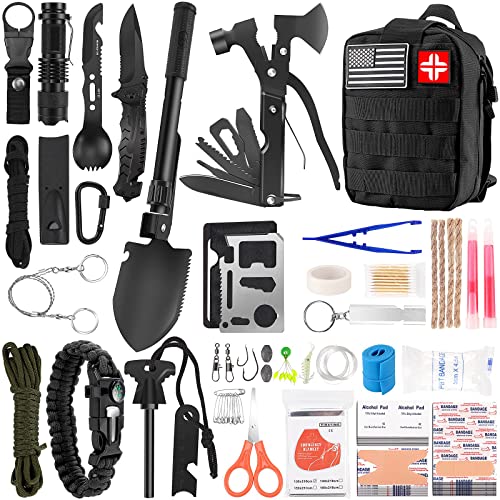
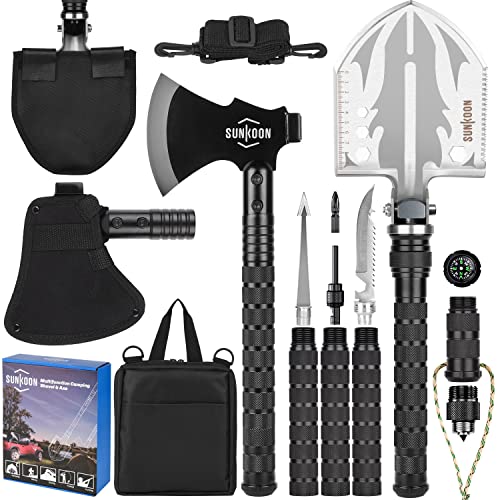
Look for a durable knife and a sturdy axe or hatchet; these are indispensable for tasks such as processing wood and crafting utensils. A folding saw can also be valuable for cutting larger branches efficiently.
| Tool | Purpose | Notes |
|---|---|---|
| Knife | Versatile cutting tool | Should be full tang for strength |
| Axe/Hatchet | Chopping and splitting | Must be sharp and well-balanced |
| Saw | Sawing through wood | Choose a folding model for portability |
| Fire Starter | Igniting fires | Can be ferro rod, flint and steel, or bow drill |
Clothing and Footwear
Your clothing should be selected based on durability and the ability to protect you from the elements.
Opt for moisture-wicking layers, a waterproof shell, and thermal layers for colder conditions.
Footwear is equally important for bushcraft; it should be sturdy, comfortable for long treks, and provide good grip and ankle support.
- Essential Clothing Items:
- Waterproof jacket
- Insulated jacket or fleece
- Breathable under-layers
- Durable pants
Carrying and Storing Equipment
Your backpack is your mobile storage and should be ergonomically designed to carry your essentials without straining your back.

Use paracord to secure items or repair gear. Tarps and pot are essential for setting up a camp kitchen and shelter.
Protect your first aid kit, compass, and other sensitive items in waterproof bags within your pack.
Maintaining your gear is as important as choosing the right items. Regularly clean and sharpen your tools, apply waterproof treatments to clothing and footwear, and check your equipment for any wear or damage before and after your trips.
Safety and First Aid in the Wild
In Bushcraft, anticipating hazards and mastering first aid are pivotal to ensure your well-being. The ability to respond to emergencies and employ preventive strategies becomes your lifeline in the wilderness.
Preparation and Preventative Measures
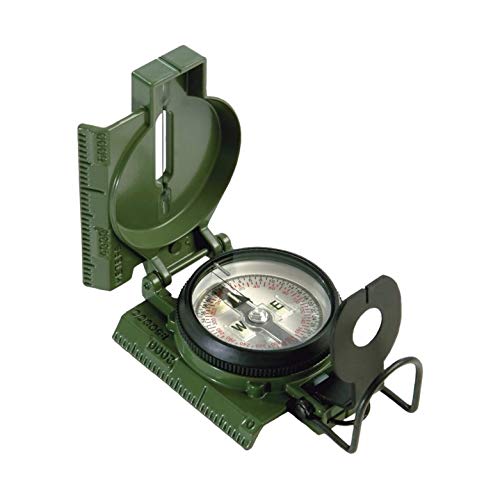
- Navigation: Always carry a compass and map, and learn how to use them in conjunction with natural landmarks.
- Learn and Practice: Before heading out, acquire knowledge in basic survival skills like shelter building and fire making.
- First Aid Kit: Equip your kit with essentials – bandages, antiseptics, splints, and medications.
- Clothing and Equipment: Choose appropriate attire to protect from harsh weather and pack gear suited for the terrain.
Responding to Emergencies and Injuries
- Assess the Situation: Maintain calm and assess the safety of the location.
- Immediate Care:
- Address severe bleeding or breathing difficulties.
- Treat burns, fractures, or hypothermia promptly.
| Injury Type | Action Steps |
|---|---|
| Cuts & Abrasions | Cleanse with water. Apply an antiseptic and cover with a sterile dressing. |
| Burns | Cool the burn with water. Cover loosely with a sterile cloth. |
| Fractures | Immobilize the limb. Use a splint if necessary. |
Ask for Help: If in a remote location, signal for assistance using a whistle, mirror, or marking in an open area.
In practicing Bushcraft, your appreciation of nature grows alongside your confidence to navigate and survive in forests and other wild areas.
Always prioritize safety and be prepared to administer first aid should the need arise.
Building Bushcraft Confidence
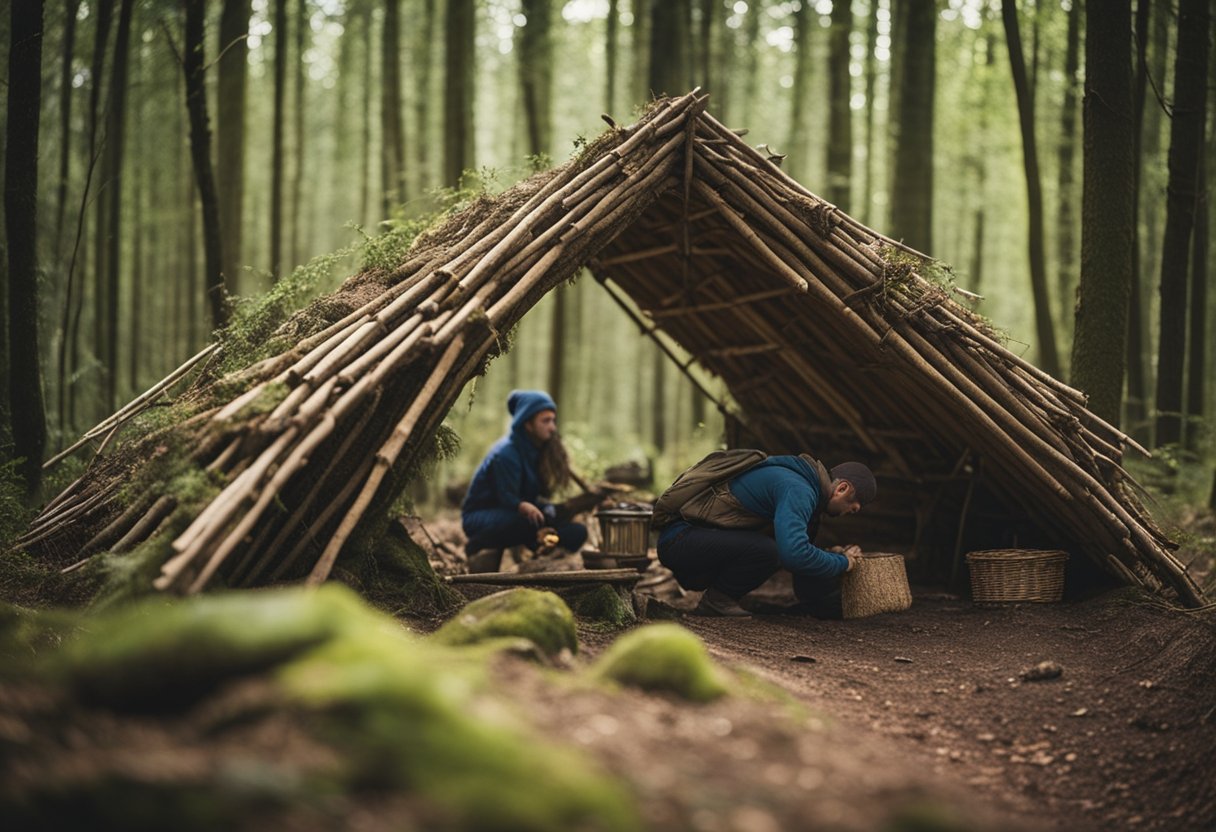
To excel in bushcraft, it’s crucial to grow your skills over time and face challenges that test and improve your self-reliance in the wilderness.
Progressing from Beginner to Advanced
As you embark on your bushcraft journey, start by mastering the essential skills.
- Fire Making: Learn to start a fire efficiently using natural materials.
- Shelter Building: Develop the ability to construct a sturdy shelter with available resources.
With consistent practice and patience, your proficiency in these skills will grow, enhancing your confidence and appreciation for the craft.
Challenges and Mastery
Challenges in bushcraft are stepping stones to mastery. They instill self-reliance and fortify your skill set.
- Foraging and Hunting: Cultivate an understanding of local flora and fauna to identify edible plants and track game.
- Navigating the Wilderness: Improve your orientation skills without relying solely on technology.
Each challenge faced and overcome contributes to your bushcraft confidence, as you learn to trust in your abilities and knowledge.
Connecting with Nature
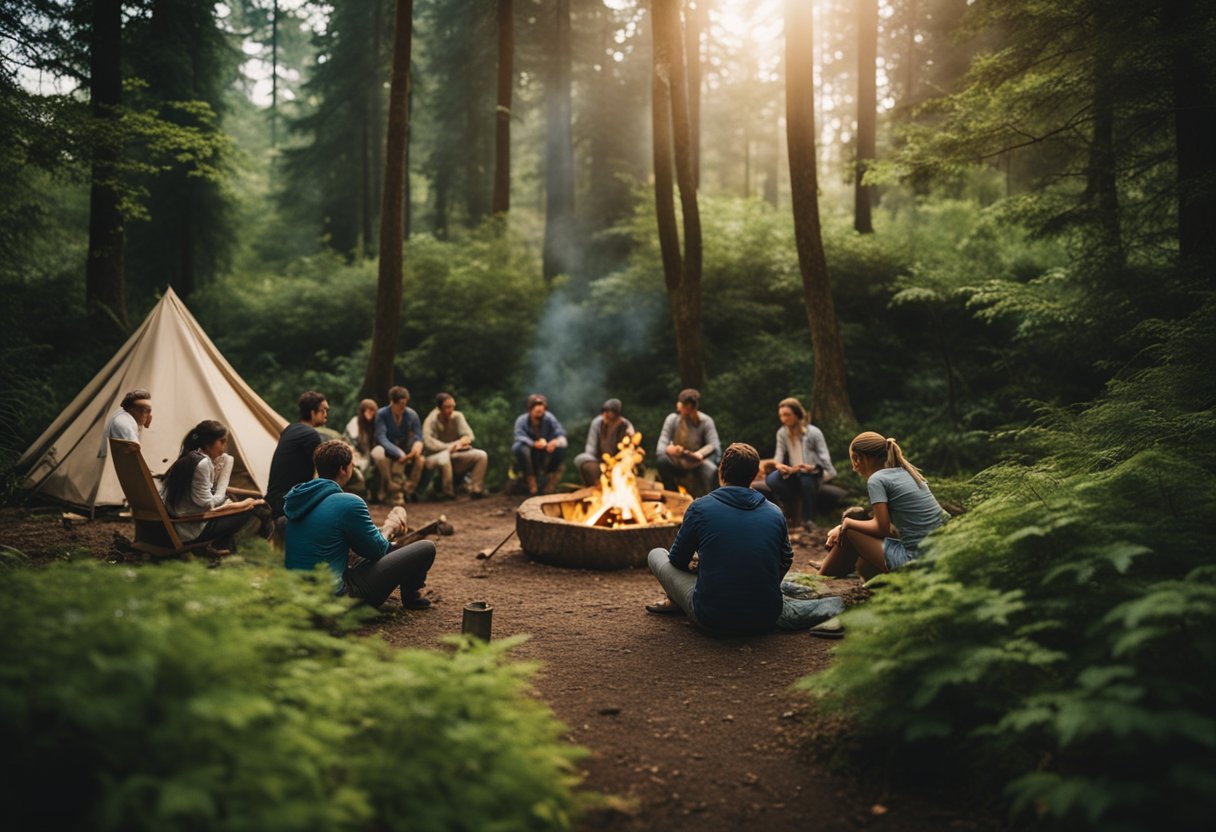
Bushcraft as a hobby not only hones your survival skills but also fosters a deep connection with the natural environment. This section emphasizes the importance of embracing the outdoors and practicing conservation.
Developing an Appreciation for the Outdoors
Venturing into a remote location allows you to experience the wilderness firsthand.
Witnessing the diverse plants and animals up close, you develop an intimate appreciation for the intricates of nature. Here are specific ways to heighten your appreciation:
- Spend time observing the natural behavior of wildlife.
- Identify and catalogue different plant species.
- Engage in nature photography to capture the beauty of the outdoors.
Sustainable Practices and Conservation
Sustainable practices are vital for maintaining the health of the natural environment. As a bushcrafter, your actions should reflect a commitment to conservation.
Consider the following practices:
- Use natural materials responsibly and minimize waste.
- Leave No Trace—ensure your presence doesn’t impact wildlife habitats.
- Participate in local conservation efforts to protect outdoor spaces.
By combining an appreciation for nature with sustainable actions, you contribute to the longevity and well-being of the wilderness you enjoy.
Bushcraft in Different Environments
Bushcraft skills adapt to various climates and landscapes, each with distinct challenges and resources. Your success hinges on understanding the environment and applying the right survival strategies.
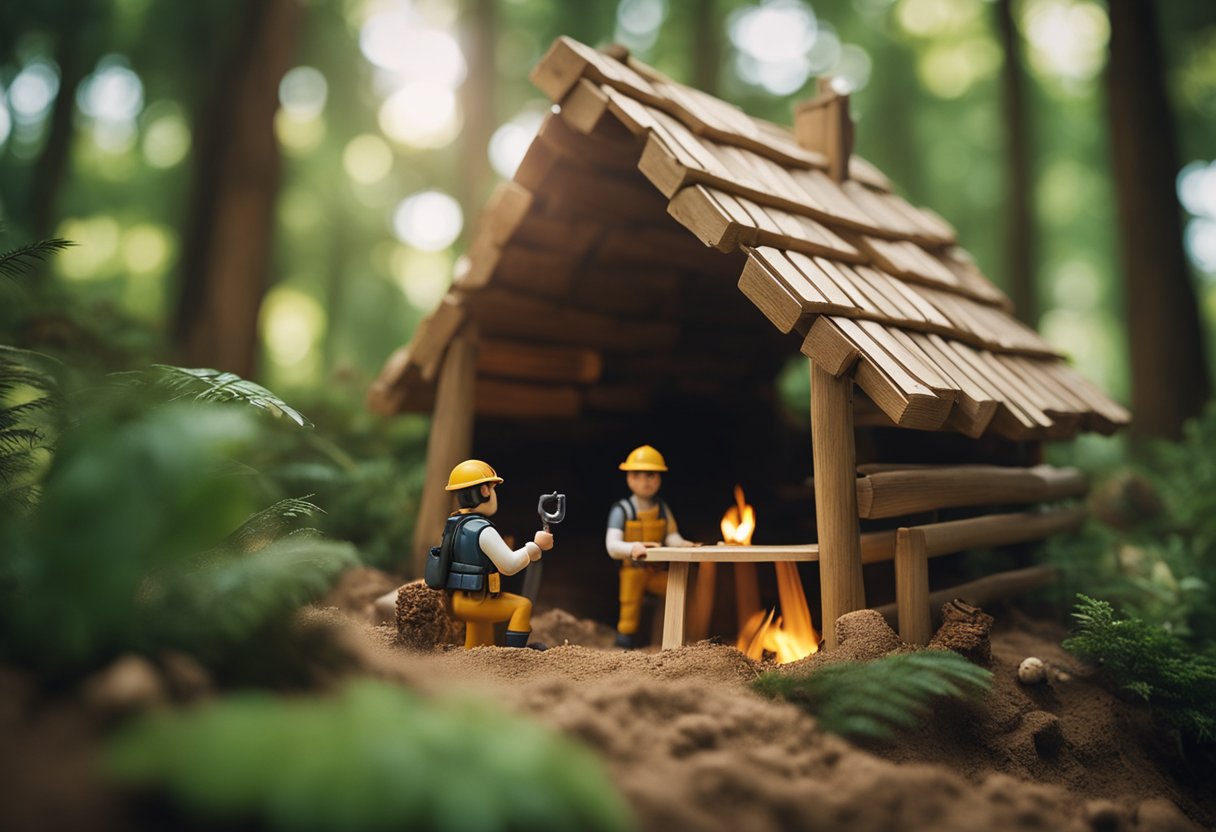
1. Tropical
In the tropical environment, the dense foliage and humid climate necessitate specific survival skills.
For shelter, you’ll need to construct a platform above the ground to avoid insects and dampness. Your clothing should be lightweight but protective against rain and insects.
Navigation can be tricky due to thick vegetation, so a compass is indispensable.
Abundant rainfall requires knowledge of water purification, and foraging must focus on recognizing edible plants and avoiding toxic species.
2. Temperate
Temperate regions offer seasonal variations that affect bushcraft practices.
Shelter building adapts to changing conditions; for example, leafy coverings in summer and insulating materials in winter.
Versatile clothing is key; layers that can be easily adjusted to the temperature are best.
Navigation skills should include map reading and understanding of natural landmarks.
Foraging varies by season, with different plants available throughout the year.
In these environments, water is generally plentiful, but knowledge of water purification remains critical.
3. Arctic
The Arctic environment poses the greatest challenge due to extreme cold and snow.
Building a snow shelter like an igloo or a snow trench with proper insulation is vital.
Your clothing must be heavy-duty, focusing on warmth and moisture-wicking properties.
Navigation relies on the stars and understanding ice flows.
Resources for foraging are scarce, making hunting and knowledge of animal behavior more essential.
Melting snow or ice is a primary method for obtaining water, but purification before consumption is a must.
4. Desert
In the desert, extreme heat and lack of water are the main hurdles.
Shelters should be designed to provide shade and maintain coolness, often constructed with light, reflective materials.
Clothing should protect against the sun while allowing for ventilation.
Clear skies make navigation by celestial bodies effective, but daytime navigation can rely on landmarks.
Foraging requires an understanding of where to find desert plants that can provide hydration.
Water purification techniques are less about cleansing and more about locating and conserving water sources.
- Survival Skills to Master:
- Shelter construction specific to each environment
- Adaptation of clothing for climate protection
- Navigation techniques suited for varying terrain
- Safe foraging practices to find sustenance
- Effective methods of water purification
Bushcraft Community and Culture
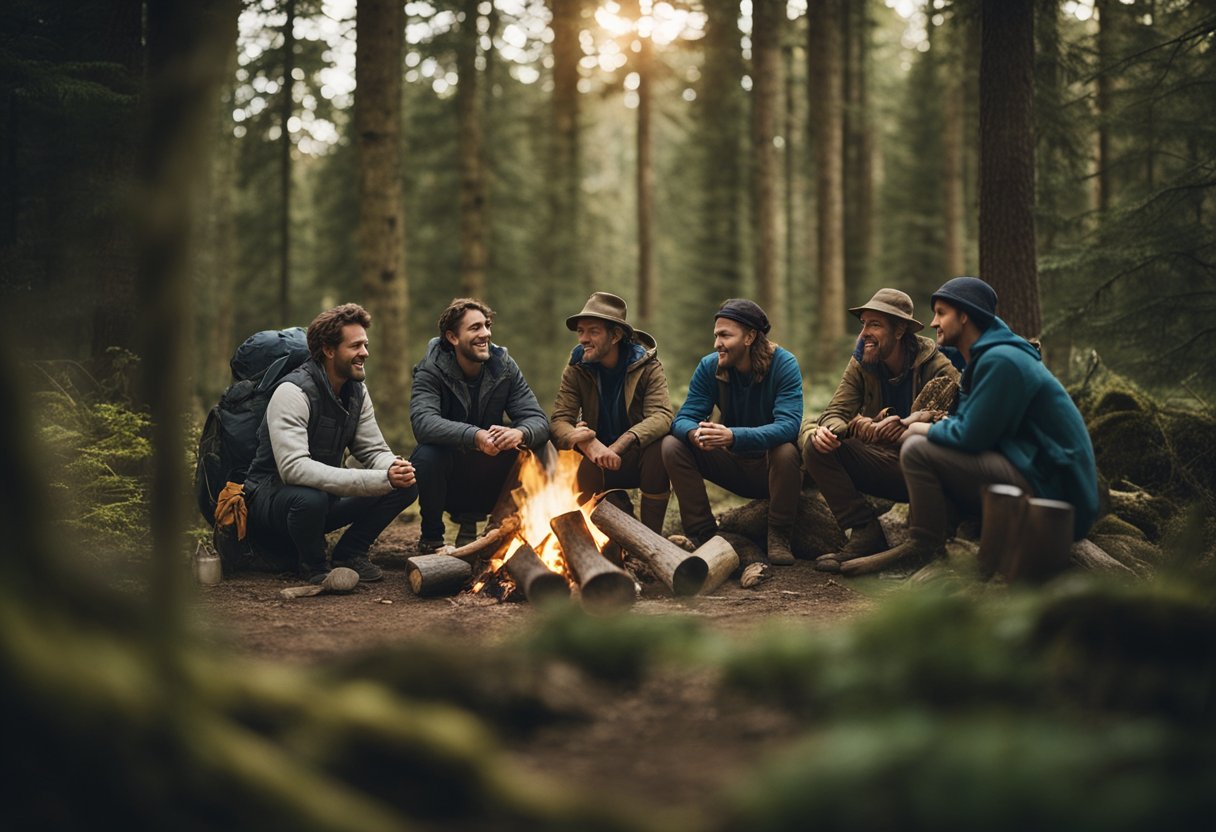
Bushcraft as a hobby is deeply rooted in a sense of community and the sharing of generational knowledge. It fosters a culture of learning and an exchange of skills essential for thriving in the wilderness.
Joining Bushcraft Groups and Gatherings
Finding a local bushcraft group is a great way to immerse yourself in the community. Gatherings and events are spaces where you can:
- Engage with experienced practitioners
- Participate in workshops
- Learn new skills hands-on
Common skills shared at these gatherings include firecraft, shelter-building, and foraging, all of which are crucial for thriving in the wilderness.
Networking at events can lead to:
- Mentoring opportunities
- Forming lasting friendships
- Expanding your bushcraft knowledge base
Sharing Knowledge Across Generations
The bushcraft community spans multiple generations, creating a diverse tapestry of:
- Historical perspectives: Understanding how indigenous and ancestral techniques have shaped modern practices.
- Contemporary techniques: Learning the latest advancements in survival skills and tool-making.
Conclusion
Bushcraft offers you both a challenging and enriching way to connect with nature. Your skills in wilderness survival and nature appreciation grow with each adventure. The art is a balance between understanding the environment and applying practical skills.